
As you may know, most of Vũng Tàu’s tourist attractions are famous for their photogenic views. However, the real quality is being neglected…
*Note:
1/ This series only focuses on sights. Cuisine exploration will have its own series.
2/ Please excuse my bad English writing 🙂
#5: Villa Blanche (White villa)
“If the U.S has their White House, then Vũng Tàu has its White Villa!”
That saying has confidently proved that: Villa blanche is the symbol of Vũng Tàu.
Vũng Tàu, June 12th, 2018
Our bike stopped in front of Villa Blanche (Bạch Dinh) – the national historical site. There are some big cafes around it. The entrance fee is only 15k VND.
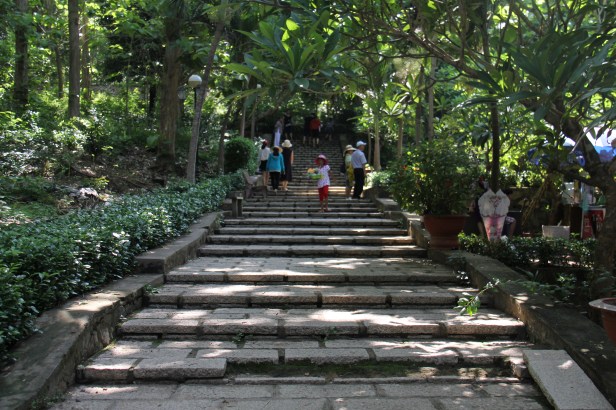 The path to Villa blanche
Talking about “Villa”, a lot of people will falsely assumed that Villa blanche belongs to Emperor Bảo Đại – the last king of Vietnam, who possessed a couple of famous villas in Nha Trang, Đà Lạt…
However, Villa blanche has a different background: in the past, it started as the fortress of the French empire. Not long after, it was used to confine emperor Thành Thái, a patriotic king. In 1916, he was exiled to Algerié with his son – the later emperor Duy Tân. Since then, Villa blanche became the vacation house for Indochina general governors.
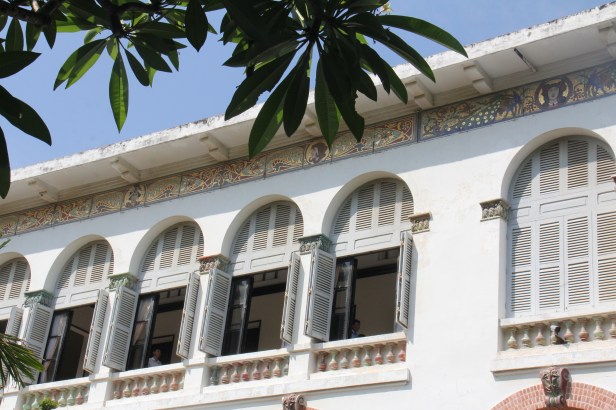 Villa blanche was named after its white walls
My first impression entering this site was its location and structure: a firm fortress with its back lays against the mountain, the front captures the sea; alleys, watch towers, and lots of bunkers hidden around the area. An artistic building with a military-like impression.
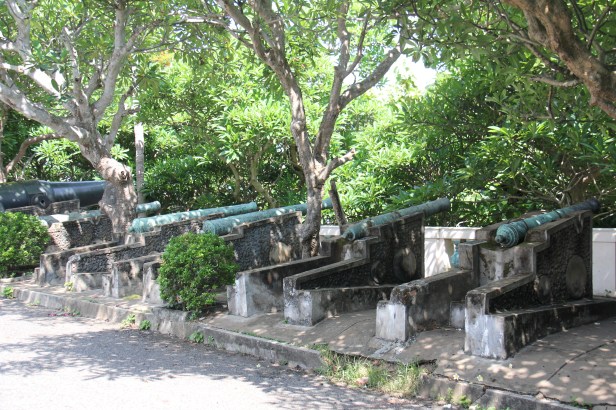
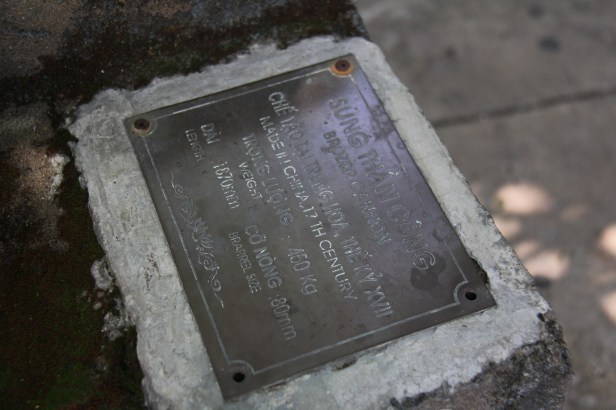 Cannons, which are more than 300 years old
The uniqueness of Villa blanche, comparing to other villas, is the sophistication of its decoration. All of them are still very animated, european-like. However, there aren’t much documents left about them for researching.
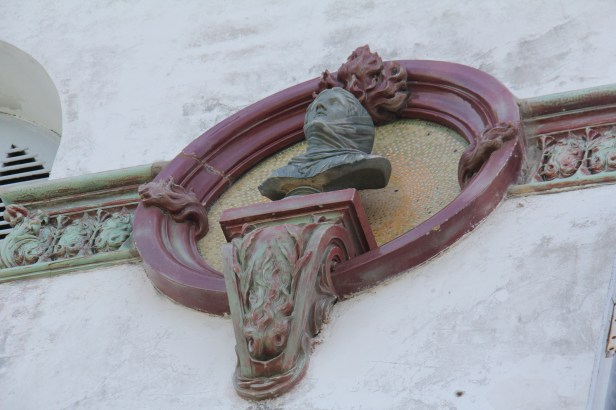
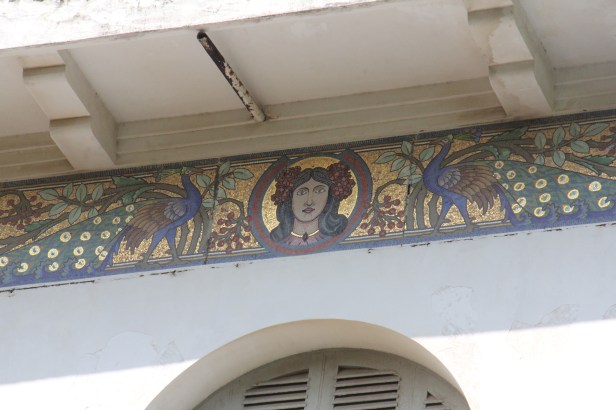 The vivid, colorful mosaics
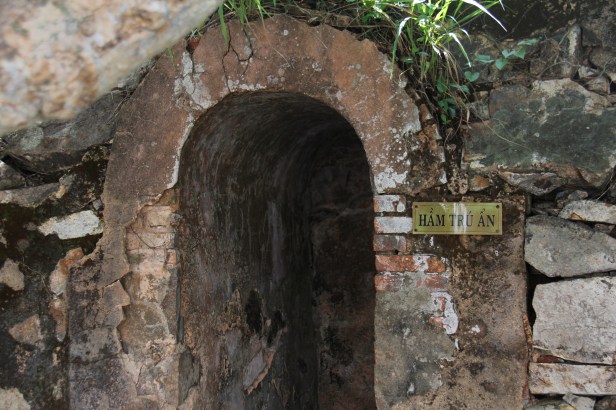 A bunker carved into the mountain
Stepping inside, the atmosphere of Villa blanche is similar to that of many other French buildings: Quite dark and cool, with a very wide views from its windows. Except for the luxury living room, other rooms are simple decorated. The furniture, such as beds and cupboards, have a smaller size than those today. Everything creates a peaceful feeling.
 Beautiful floor
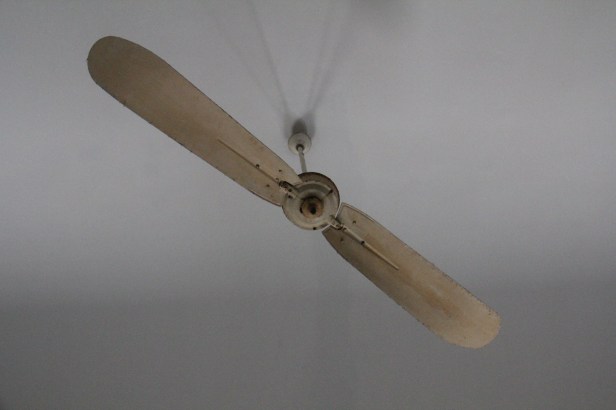
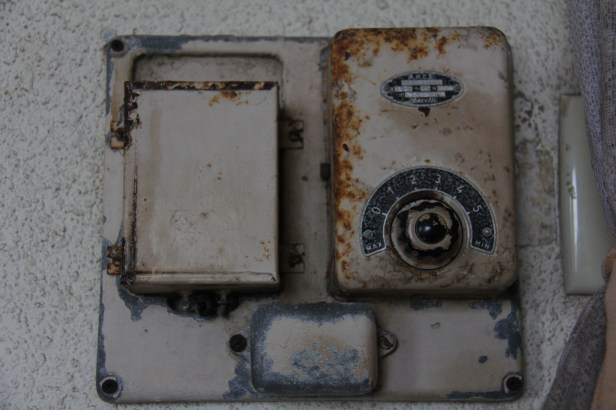 Electric households have existed for more than 100 years
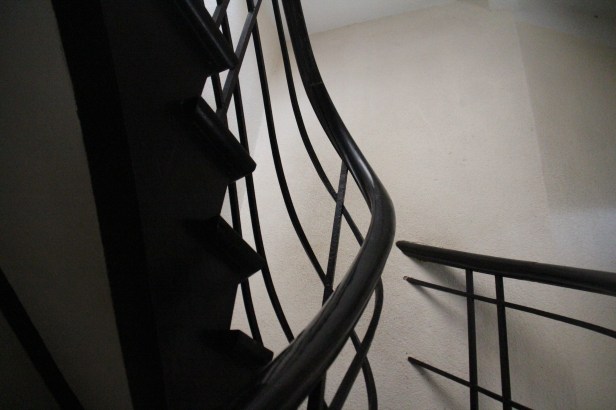
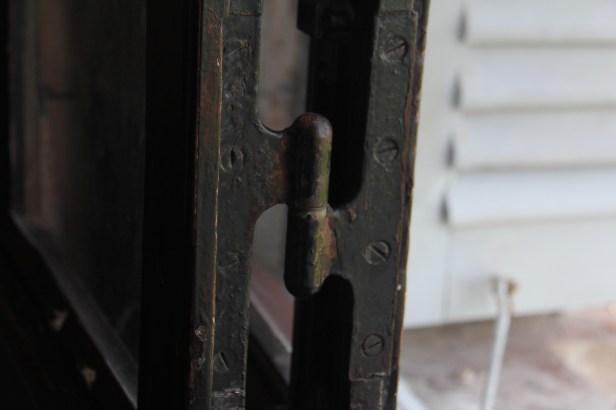 Dark is the general tone of Villa blanche
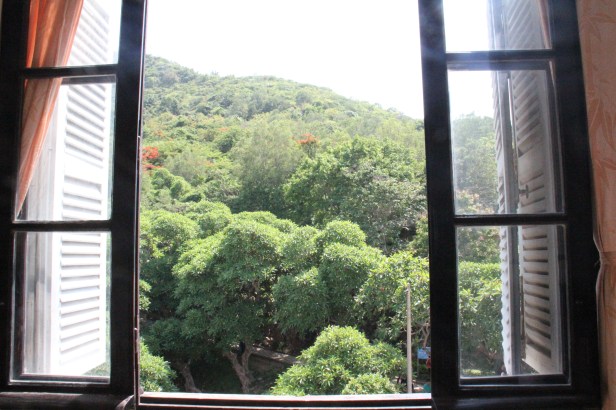
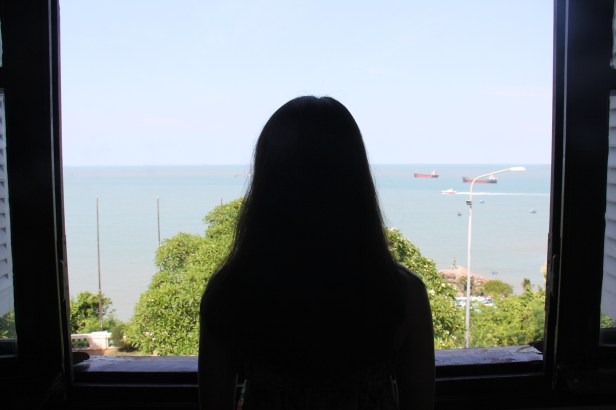 The stunning views to mountains and the beach from Villa blanche
In addition to the beauty of Villa blanche, sadly, is the decrease in quality. Many parts of the building are being torn apart, without much concerns. Redundant decorations are also reducing the solid atmosphere that Villa blanche brings about.
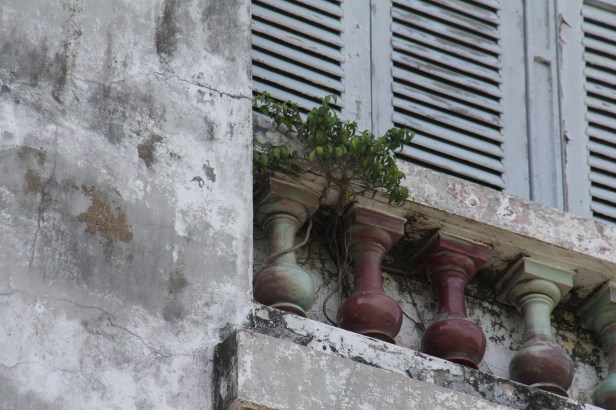 Plants are growing out from the building’s breaches.
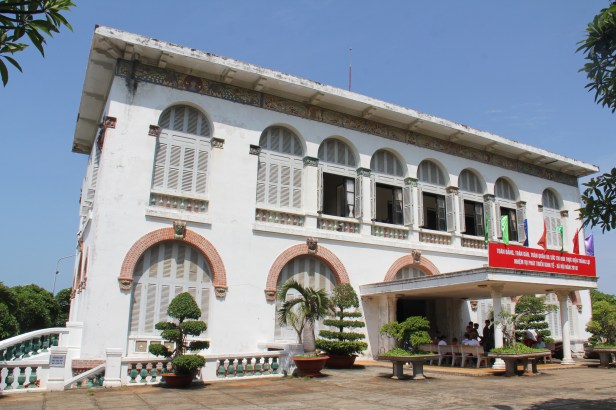 Propaganda posters and flags are “uglinizing” the building as a whole
If you are a photo-hunter, or just simply a tourist being interested in history, Villa blanche will suits you well.
#6: Thích ca phật đài (Platform of Shakyamuni Buddha-PSB)
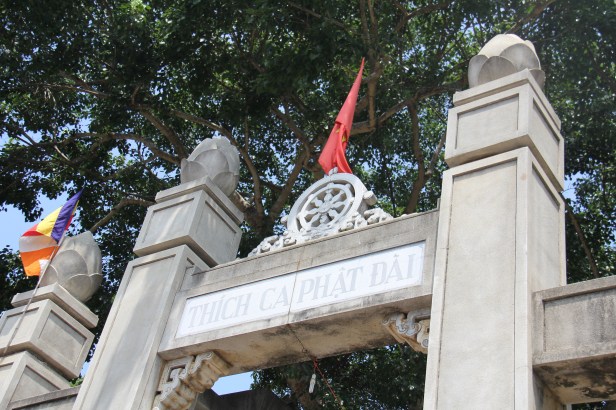 The entrance of PSB
After leaving Villa blanche, we quickly moved to Trần Phú Street, where locates the Platform of Shakyamuni Buddha – the most well-known Buddhism site in Vũng Tàu
Established in the 1960s, this is currently the worship, as well as the keeper of “xá lợi” – “Buddha’s relics”.
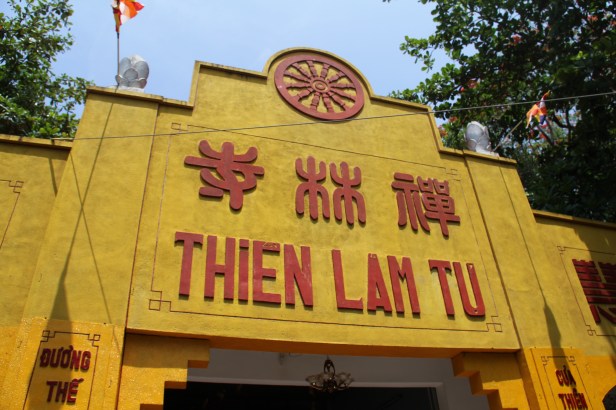
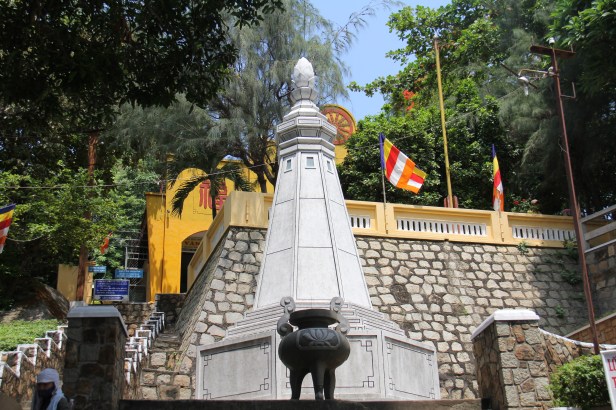 The center hall of PSB
My first thought about the place is: it actually has an impressive structure of 3 levels on the mountain. However, to assume PSB as a perfect check-in spot is rather assertive. Here are the reasons:
- First off, this place only impresses me with its location. There are no astonishing statues or beautiful scenery.
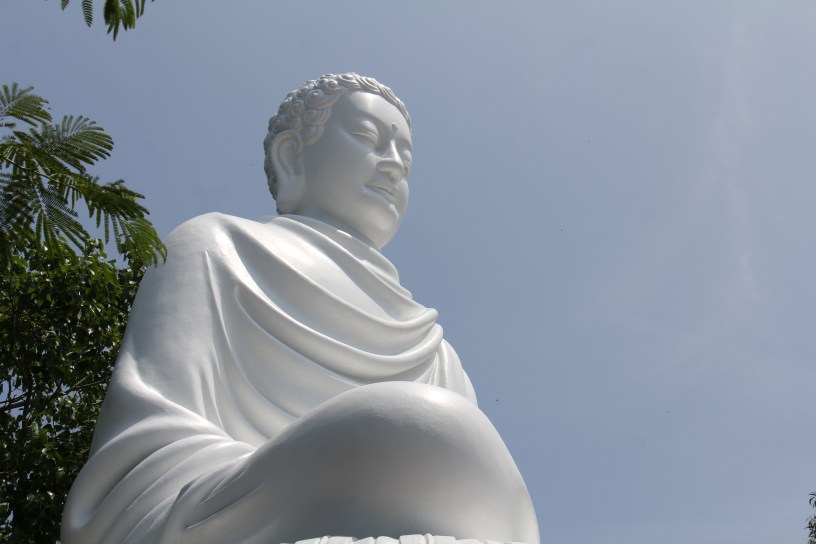
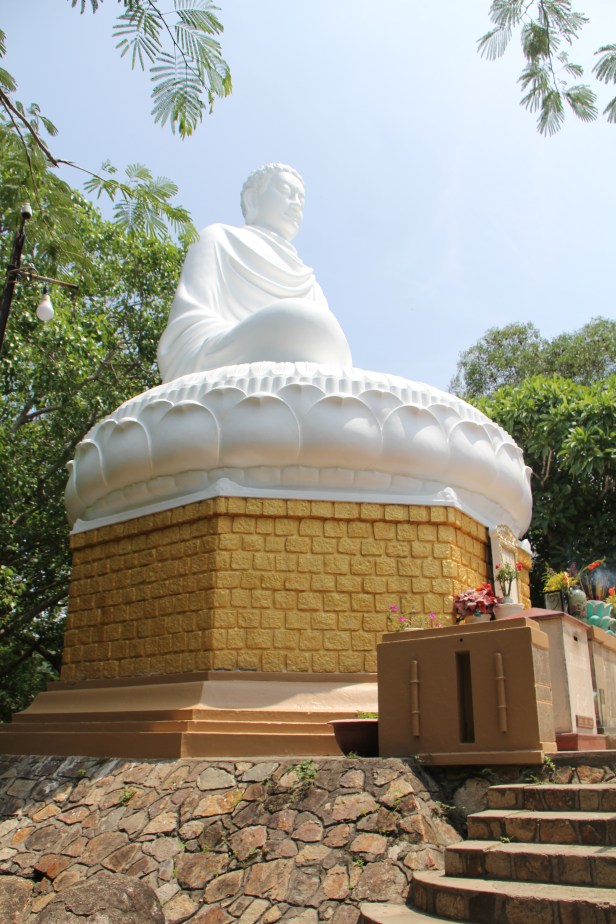 The meditating Buddha – the biggest statue in PSB
- This place is NOT a tourist attraction: no entrance fee, no souvenir, no English posters, this is a top-to-bottom spiritual site.
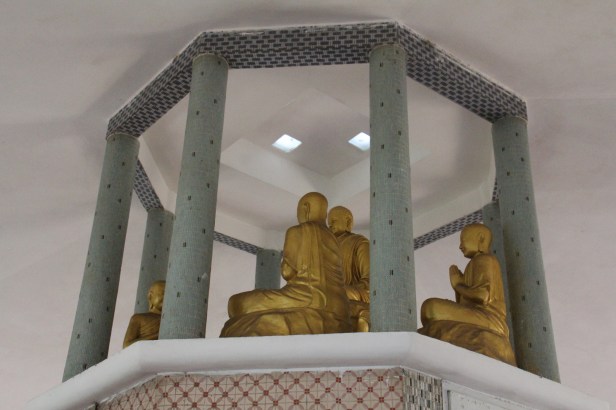 The Buddha’s relic pillar
- This place is being messy: like many other famous sites in Vietnam, badgers is the common problem, which eradicates the sacred atmosphere of PSB. Trash and noises from the tourists also contribute to the problem.
#7: Bến Đá fishing village
As a sea-lover (you can see that most of Moink’s trips are seaside travelling), I am really fascinated by the pictures of fishing villages, where its residents sail back every morning, bringing gifts from the ocean.
For that reason, it is my desire to witness the landscape of Vũng Tàu’s fishing village.
June 13th, Bến Đá fishing village.
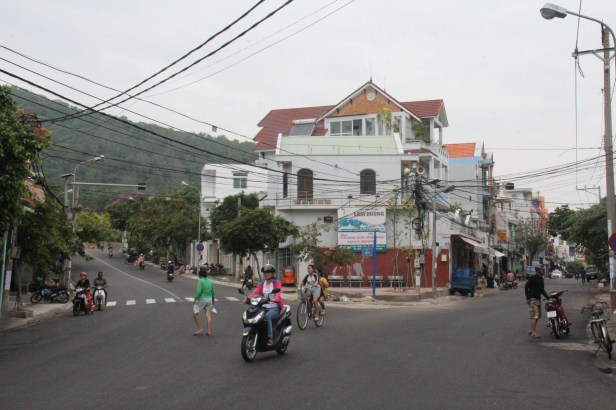 From PSB, go straight, and you will see Bến Đá fishing village on the right
Being presented as “one of the 4 remaining villages of Vũng Tàu”, Bến Đá did not cause too much disappointment. At here, you can watch the locals and their routine: fixing their tools, repairing for the next journey.
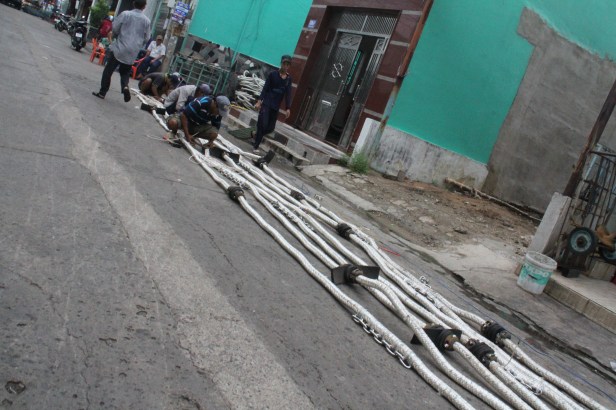 The fishing tools are being checked
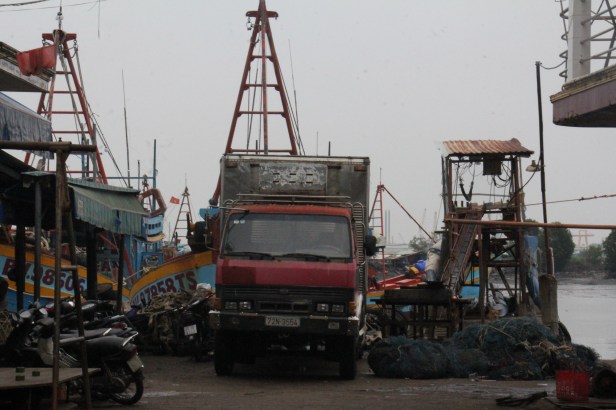 A pick-up truck is being loaded
Unfortunately, I didn’t have the chance to capture their catches, as there were no voyage the day before. Heavy rain may have caused this call-off.
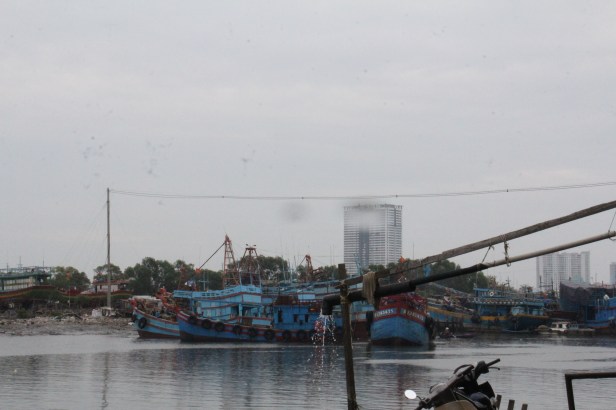
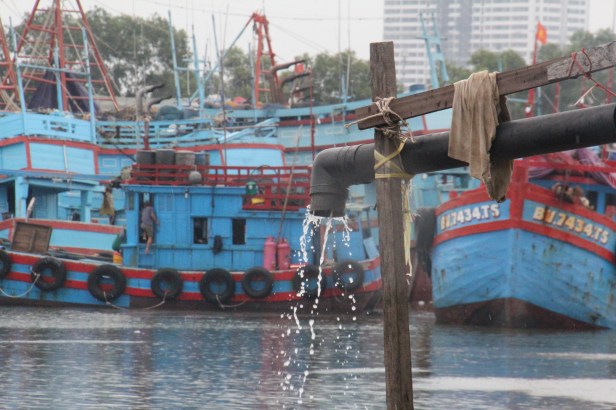 Fishing boats were resting at their port
#8: Vũng Tàu Marina
With the very famous Hồ Mây – Núi lớn water park, Vũng Tàu Marina are rising as the new “tourist magnet” of the city.
Today, Moink will only gives review on Gò Găng island tour – one of four tours that Marina Vũng Tàu organizes.
In order to reach this site, you will have to travel off the city, to the end of 1st Street, Đông Xuyên industrial zone. My first impression is the tiny tourist attraction, among huge factories.
 These boats are only for decorations; in closer look, they are old and faded
We have to admit that Vũng Tàu Marina has beautiful photo-taking spots. If you aren’t interested in tours, getting here for photos is somewhat a good idea.
In the contrary, if going on tour is your choice, then Vũng Tàu Marina are offering 4 tours: to the oil-rig, to Gò Găng island, to Ngọc island, or to Long Sơn fishing village. Each tour can only be operated once there are 10 or more customers. The price is from 100-200k/person. Sounds good, right?
Well, not really. And here are our experience.
 Since we only had 2 people, waiting for a bigger group is compulsory. The cost is 150k/person, and we were ensured to have the right to leave the island at any moment. Fishing, kayaking is free on the island
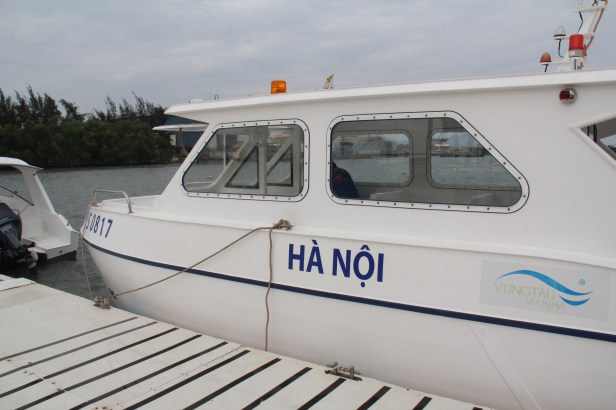 The canoe is a plus point with its high speed
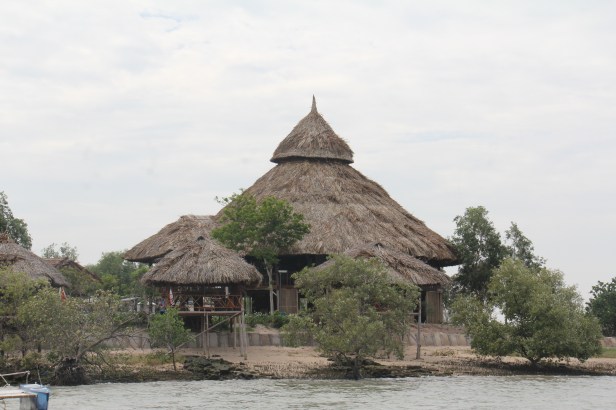
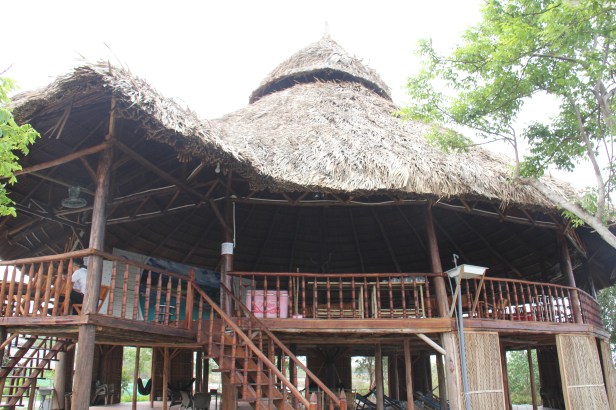 The main hut of Gò Găng island. Quite simple
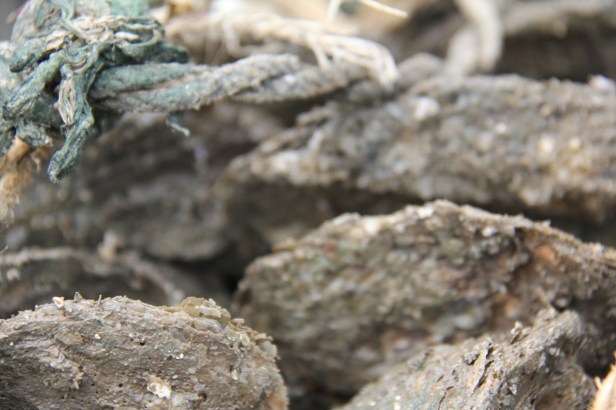 There are plenty spots to raise oysters. The cost, however, are quite expensive
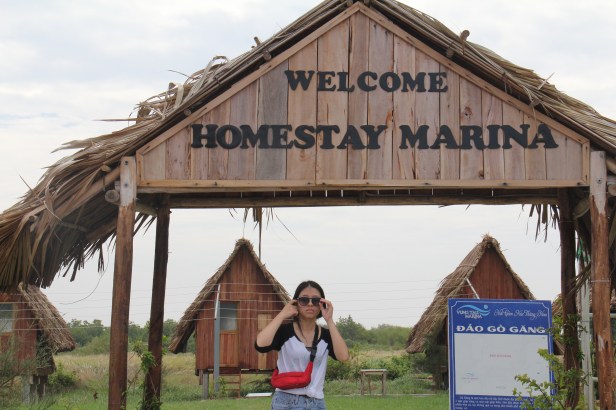
 You can actually play in 1/3 of this island. The other are unexplored. This 1/3 is also boring with only small tents
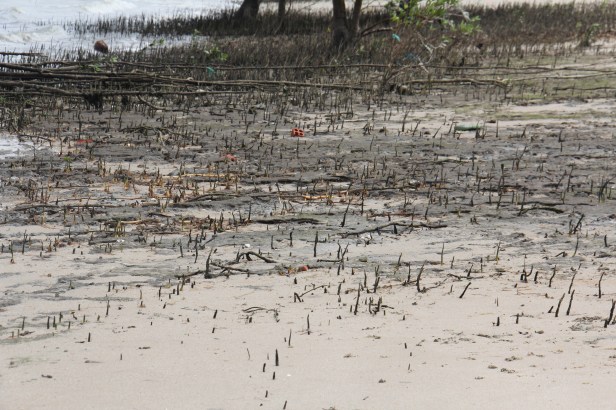 The beach is awfully dirty, with trash can be seen everywhere. I almost stepped on a syringe when wandering here. The scene is not beautiful neither
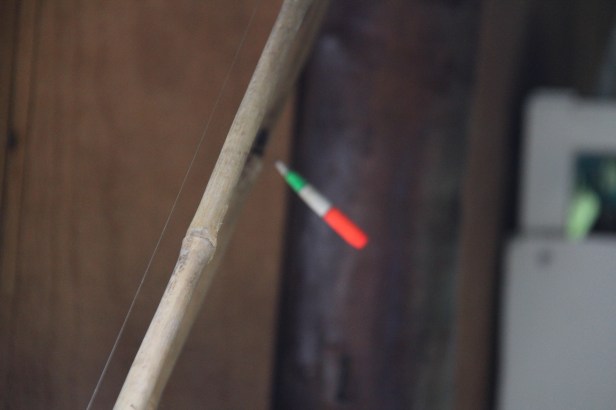 You can borrow the fishing rod for free, but had to buy the bait, which are rotten oyster, costed 20k/pack. Its smell was horrible, and it was in the really bad condition that can not stay on the hook for so long. The fishing site was also dirty and smelled terrible. We couldn’t catch any fish that day.
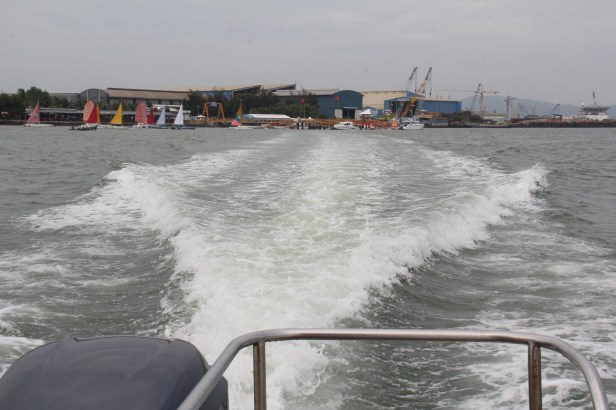 The customer service on the island is also awful, when they refused to take us back to land. However, we managed to do so, after having a serious conversation with the manager.
Other destinations (without pictures):
#9 Vũng Tàu lighthouse: The view up there is quite good. However, its route is pretty short and is usually stuck with traffics.
#10 Beaches: We travelled there in June, the sea worms season (the small worm-like creature which has painful bite). Thus, we strongly advise you to be careful when swimming. Heavy rains can also make it dangerous sometimes.
#11 The army museum: This is the private property of Robert Taylor, who has spent his whole life collecting military stuff of different cultures, mostly european. With only 50k, you will have the best experience here.
As this is the end of Vũng Tàu: What’s there to be explored series, We may come to the conclusion: Vũng Tàu is a beautiful city, with forever potential to become the giant in the tourist industry. However, with its lack of concern toward historical sites and special things apart from the beaches, Vũng Tàu is failing to maintain their uniqueness in culture. Thus, changes are in need to be made from its managers, so as to save this very special piece of Vietnam.
Khanh Tr.
 moink20.com